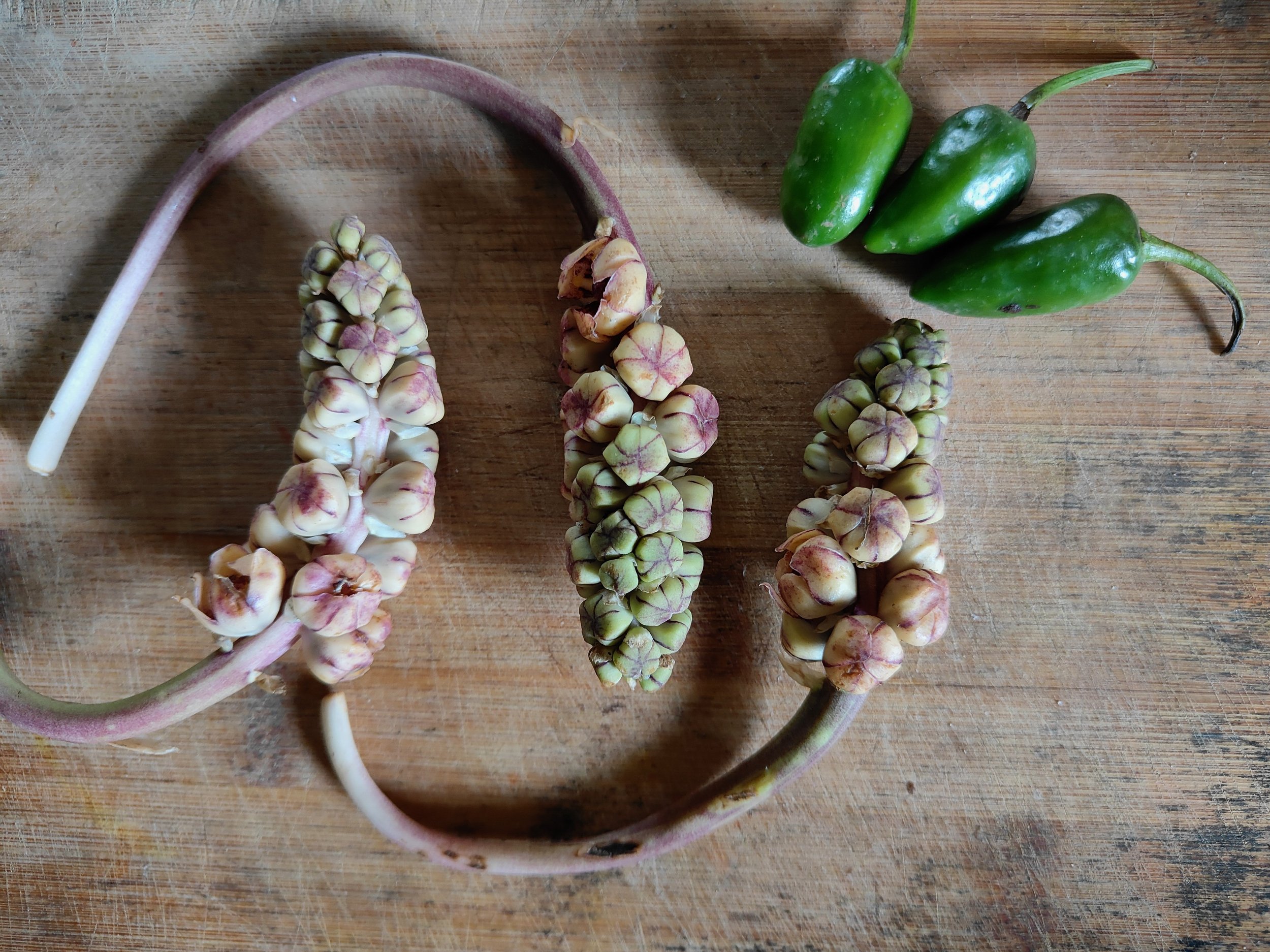
Set in Bhaktay Busty, a small farming village in Darjeeling, this reflective narrative follows a Abishek witnessing the slow erosion of memory, agro-biodiversity, and community resilience under social and environmental inequity. Rooted in the lives of the third-generation small scale farmers, the story confronts social vulnerability while holding onto hope - through traditional ecological knowledge, collective awareness and more inclusive, responsive support systems.
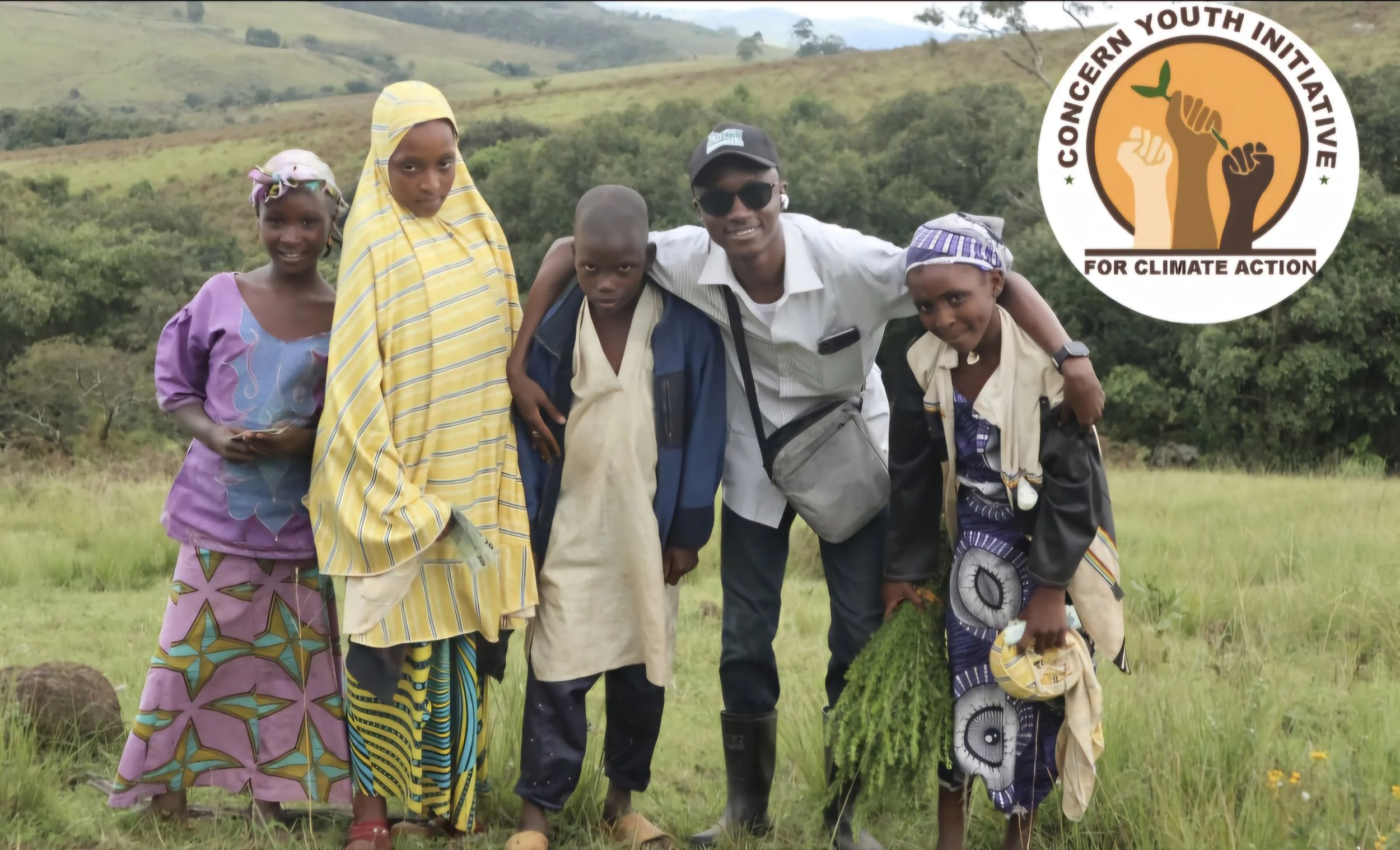
Seeds of Change in Laikipia
In the heart of Laikipia, young people are rediscovering the wisdom of indigenous seeds and the power of community. Seeds of Change in Laikipia tells a story of hope, heritage, and resilience — how traditional farming, local collaboration, and youth action are nurturing both the land and livelihoods, ensuring that the roots of culture and nature grow stronger together.
The Resilient Seed: Biotech and Traditional Knowledge in Nigeria's Climate-Conflict Zone
This story describes a local, youth-led project in North-Eastern Nigeria that addressed increasing drought and conflict. The project used simple biotech screening to grow climate-resilient sorghum. It secured international funding from FAO and Gates Ag One. This approach shows how blending traditional knowledge with science can offer a strong, nature-based solution for food sovereignty and peace, helping marginalized communities move into the mainstream of environmental efforts.
Narratives of Change: From the Lake Victoria's Shore to a Sustainable Future
Growing up on the shores of Lake Victoria, I saw the impacts of climate change firsthand. Driven by my love for the lake and my community, I embarked on a journey to combat environmental degradation. Now, through education, sustainable agriculture, and eco-friendly initiatives, I am working to restore the natural beauty and resilience of our ecosystem while empowering the next generation to be environmental stewards.
Feeding the Earth
The Sustainable Development Goal 2 - Zero Hunger - was set in 2015 to tackle rising undernourishment. The COVID-19 pandemic exacerbated this challenge. Climate Change threatens food production and quality. WHYFARM, an NGO that uses creative methods to engage young people in agriculture, was founded in 2015 in Siparia, Trinidad and Tobago. It teaches traditional farming techniques that protect the environment and human health, and technologies that optimize production to establish careers in the field and promote food security.
Climate Change Needs High Quality Coffee
Forest In The Stomach
Food is vital for survival, so making money of it comes with a sweet feeling knowing one can pay bills easily. The rural livelihood is always linked to the forest, putting the forest at the expense of risk. Should we eat at the forest's expense? Or, should the forest be preserved while the people starve? This is the current situation that has put the Indigenous people of Onigambari forest reserve communities in Ibadan, Oyo state, Nigeria, in a dilemma over the past years of their existence.
Forest in the stomach is about actions that balance both forest and farming to coexist together in an environmentally sustainable manner.


